
Fall Bed Prep
Essential tools to prep your garden for winter. Shop heavy-duty silage tarps, aeration broadforks, and soil testing kits to protect your soil microbiome and prevent winter erosion.




Proper fall bed preparation sets the foundation for a successful spring harvest. Leaving beds uncovered through the winter leads to erosion, soil microbiome starvation, and nutrient run-off.
By utilizing the right aeration tools, overwintering covers, and soil tests, you can protect your soil structure and give your next crop a head start.
How to Choose Fall Bed Prep Tools
Your climate, growing zone, and farm scale will determine the exact equipment you need to secure your garden for winter.

Tarping vs. Cover Cropping vs. Broadforking
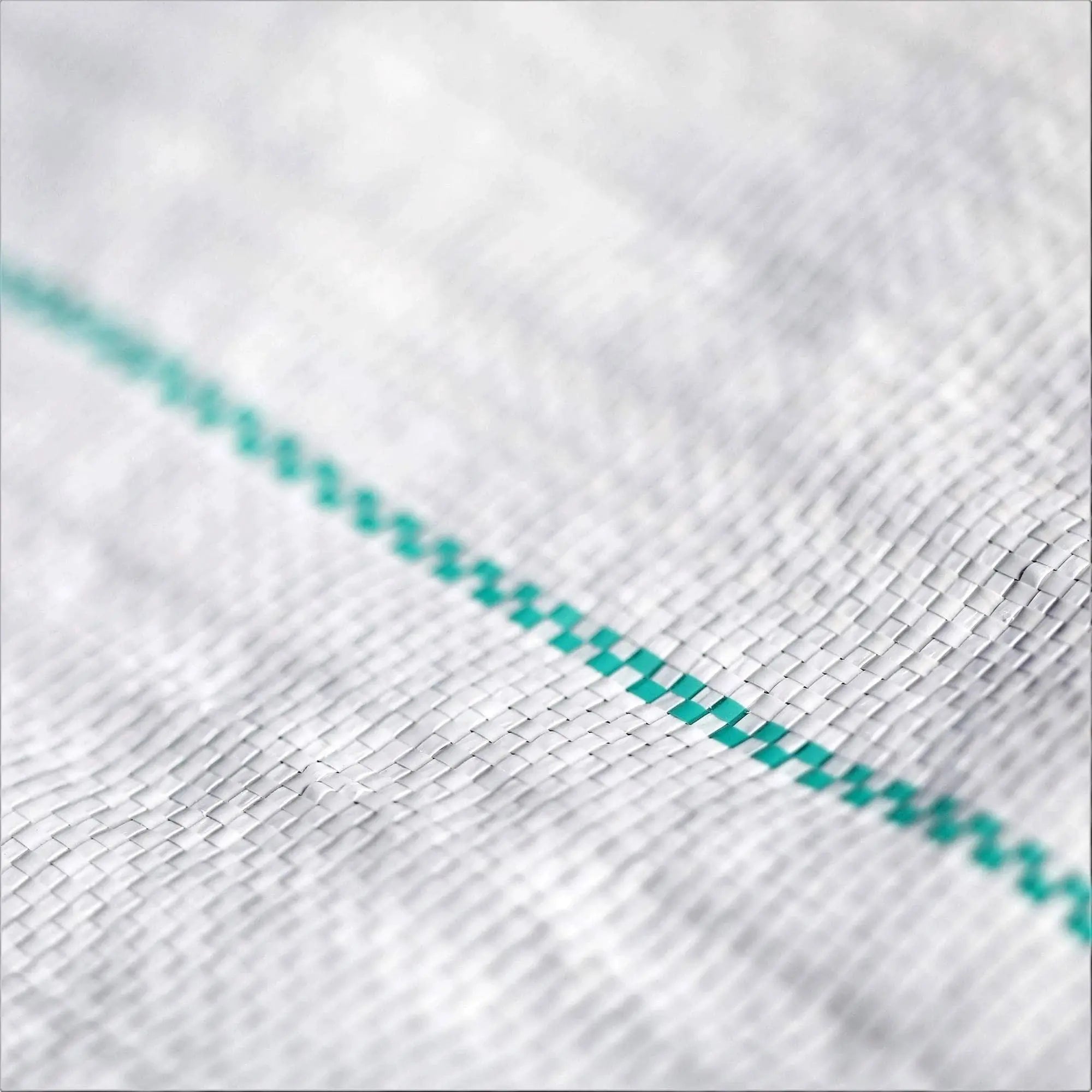
- Cover Cropping & Tarping: Many growers sow a cover crop in the fall to build organic matter as part of successful land management. To terminate the crop, they mow it down and cover the bed with a heavy-duty silage tarp. Using a silage tarp blocks sunlight and traps heat and moisture, speeding up decomposition.
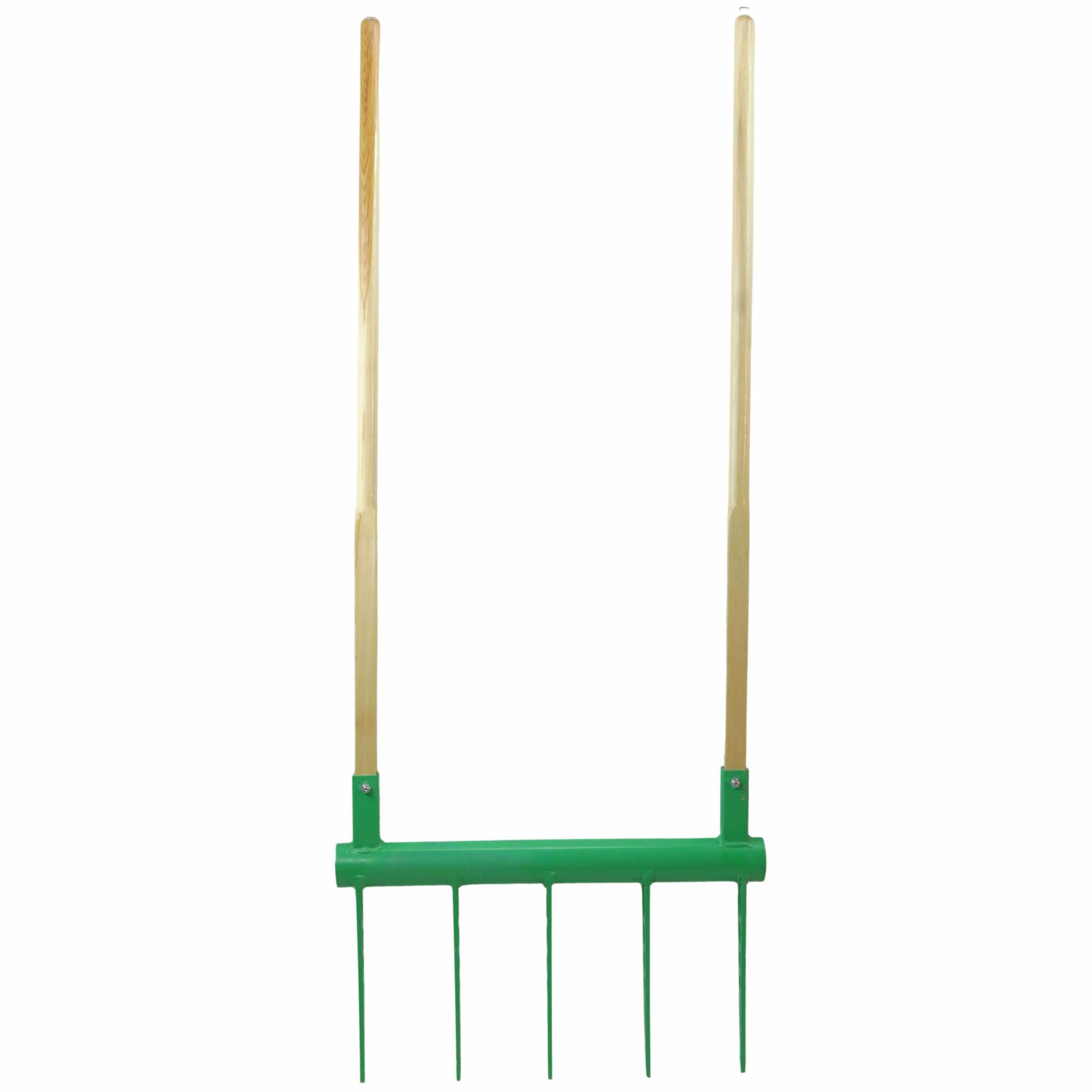
- Broadforking: Deep aeration is necessary for long-term bed health. Using a broadfork opens up deep channels in the earth while keeping the existing soil layers intact. The use of a broadfork increases beneficial microbes and earthworm activity in the soil, preventing the poor water penetration and cracked soil that lead to failed or undersized root crops.

Testing and Amending
While tarps and broadforks manage the physical structure of your beds, balancing nutrients is just as important. To accurately gauge nutrient depletion after the summer harvest, utilize a soil test kit and pH meter. Adjustments to pH and mineral amendments are best done in fall so they can settle into the soil.
Test your soil to see where you’re depleted, then choose a cover crop to match. Plant it in late summer if you’re not fall gardening, and terminate before it goes to seed, either by letting it winterkill or with a silage tarp if it won’t. Add any additional amendments at that point, then test again in spring before seed starting.
Which tools do you need?
Soil Test Kit
- Measurement Focus
- Nutrient depletion
- Application
- Balancing nutrients after summer harvest
- Recommended Timing
- Spring and fall
pH Meter
- Measurement Focus
- Soil pH
- Application
- Gauging soil acidity or alkalinity
- Recommended Timing
- Spring and fall
Luster Leaf Rapitest Dial Compost Thermometer
- Measurement Focus
- Compost and soil temperature
- Application
- Monitoring temperatures
- Recommended Timing
- Fall and spring
Moisture Meter
- Measurement Focus
- Soil moisture
- Application
- Gauging water levels in beds
- Recommended Timing
- Fall and spring
Luster Leaf 3-Way Digital Analyzer
- Measurement Focus
- pH, fertility, and temperature
- Application
- Combined nutrient and condition tracking
- Recommended Timing
- Spring and fall
Frequently Asked Questions
Why should I cover my garden beds in the winter?
Leaving beds uncovered through the winter leads to erosion, soil microbiome starvation, and nutrient run-off. Covering your beds with a silage tarp or a cover crop protects the soil structure and retains vital moisture until spring.
How do I terminate a cover crop in the fall?
An effective method for many growers is to mow or crimp the cover crop, then cover the bed with a silage tarp. The darkness helps break down the organic matter over winter. Your specific growing zone will dictate the exact timing for this process.
How does a broadfork improve soil health?
A broadfork creates deep channels to relieve compaction while leaving the soil layers intact. This improves water penetration and increases beneficial microbes and earthworm activity, which prevents issues like cracked soil and stunted root crops.
Should I test my soil in the fall or spring?
Both, they serve different jobs. Fall test tells you what's depleted so you pick the right cover crop. Spring test tells you where you actually stand after the cover crop did its work, so you know what to amend before the crop goes in the ground.
Where can I learn more about soil management and cover cropping?
Check out our cover cropping article for more details.
Want to get nerdy with it? Explore our sources from SARE.org: