
Seed Trays
From microgreens to transplants, find the right seed starting trays for your garden. Our guide helps you choose the perfect size, depth, and drainage system for healthy, strong seedlings.

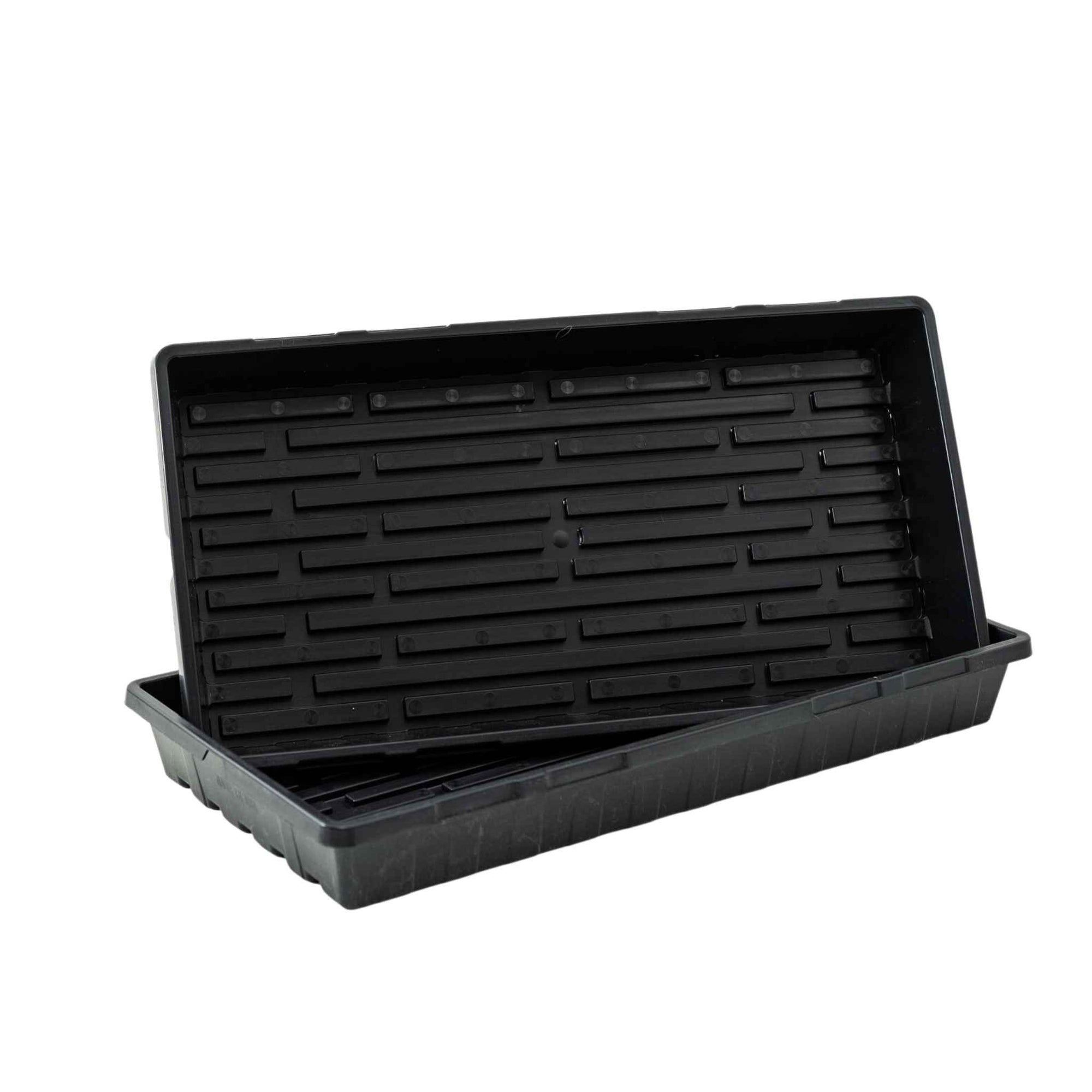

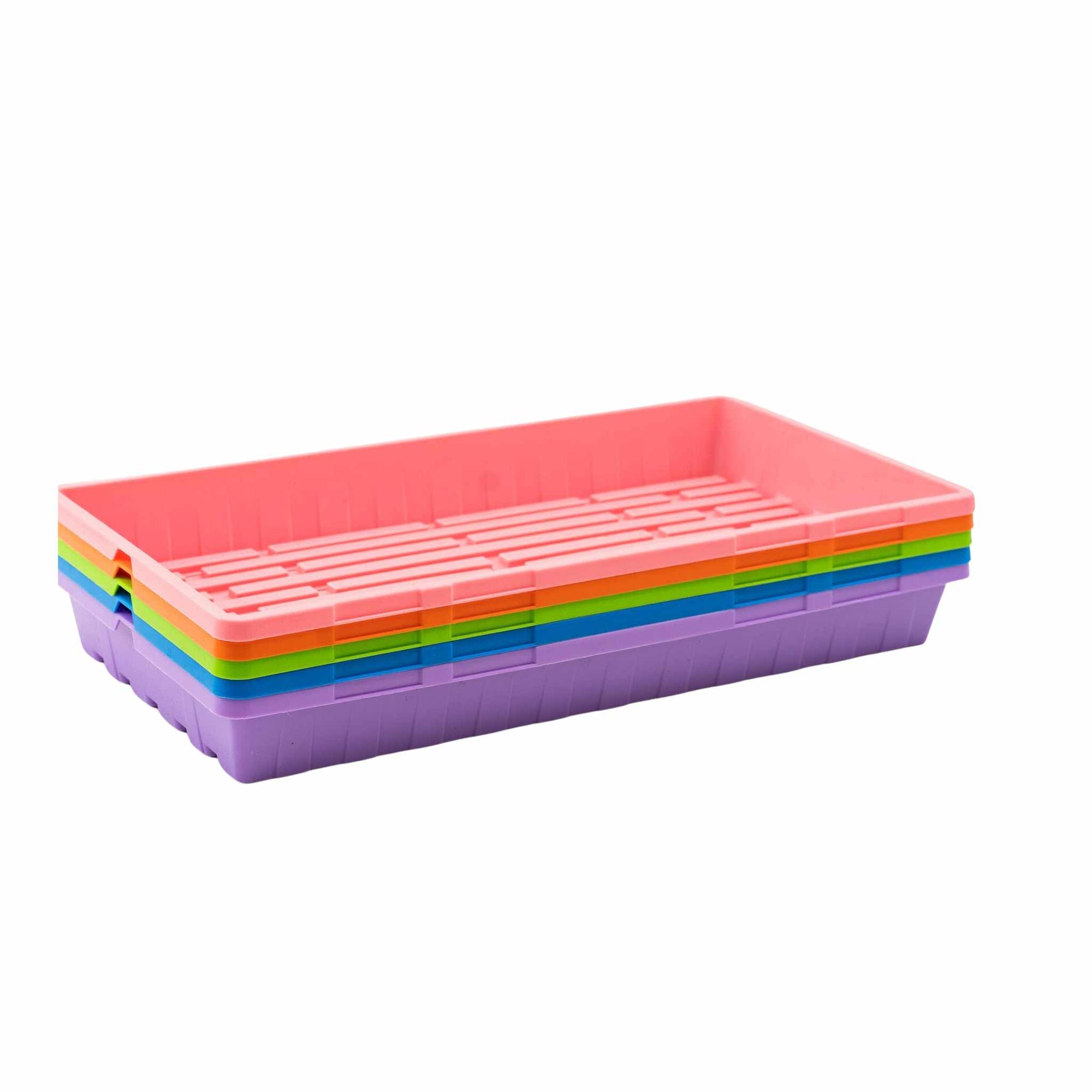





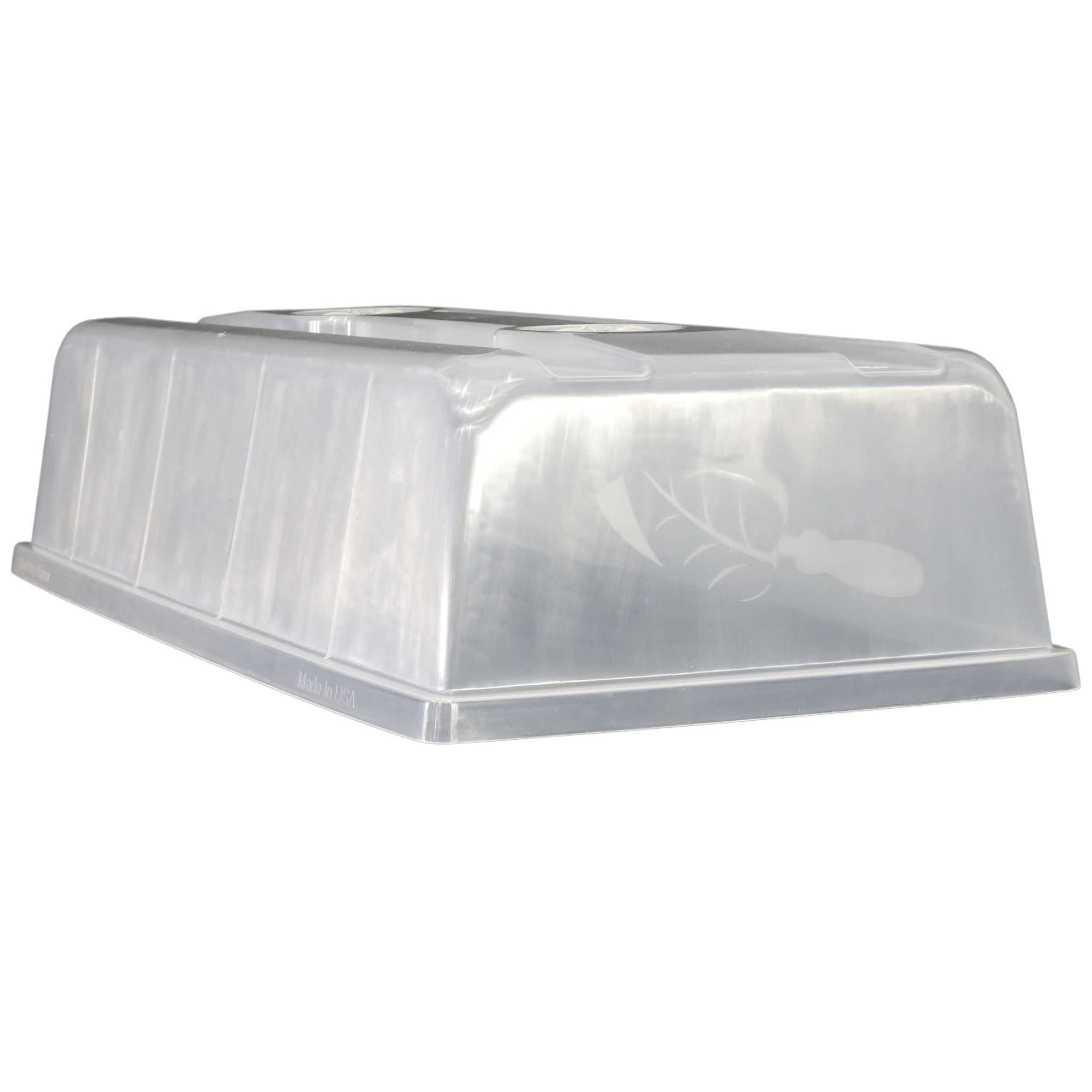


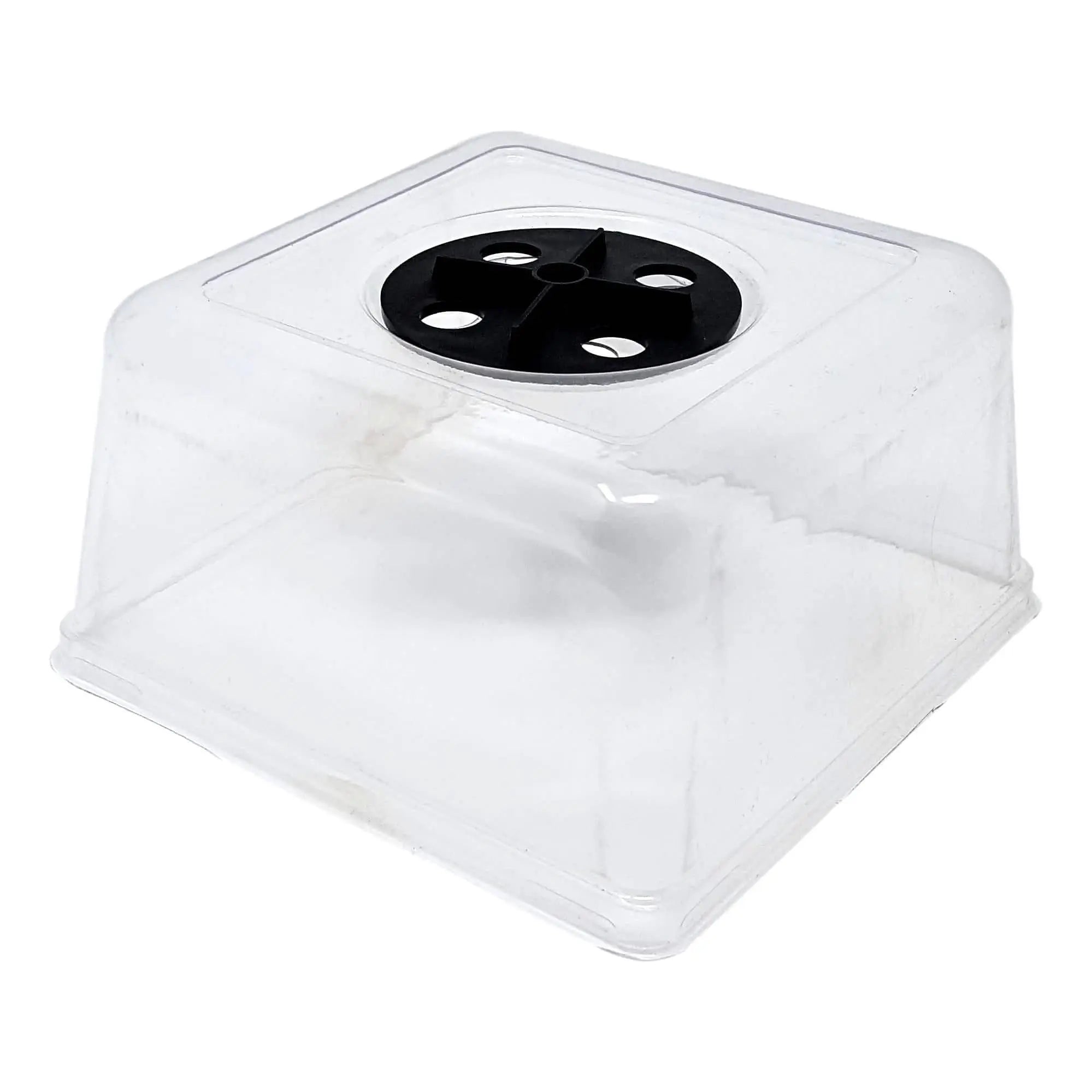


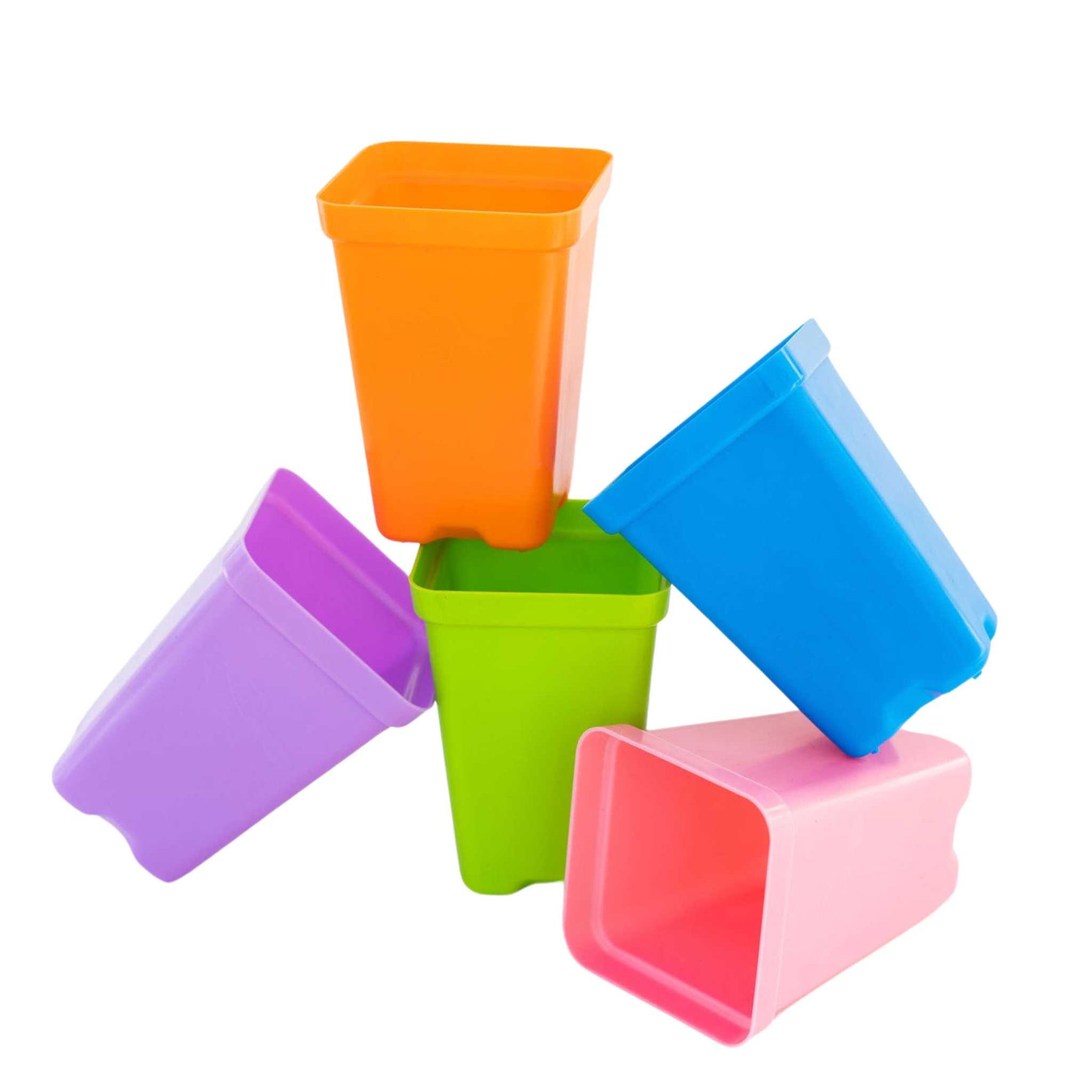

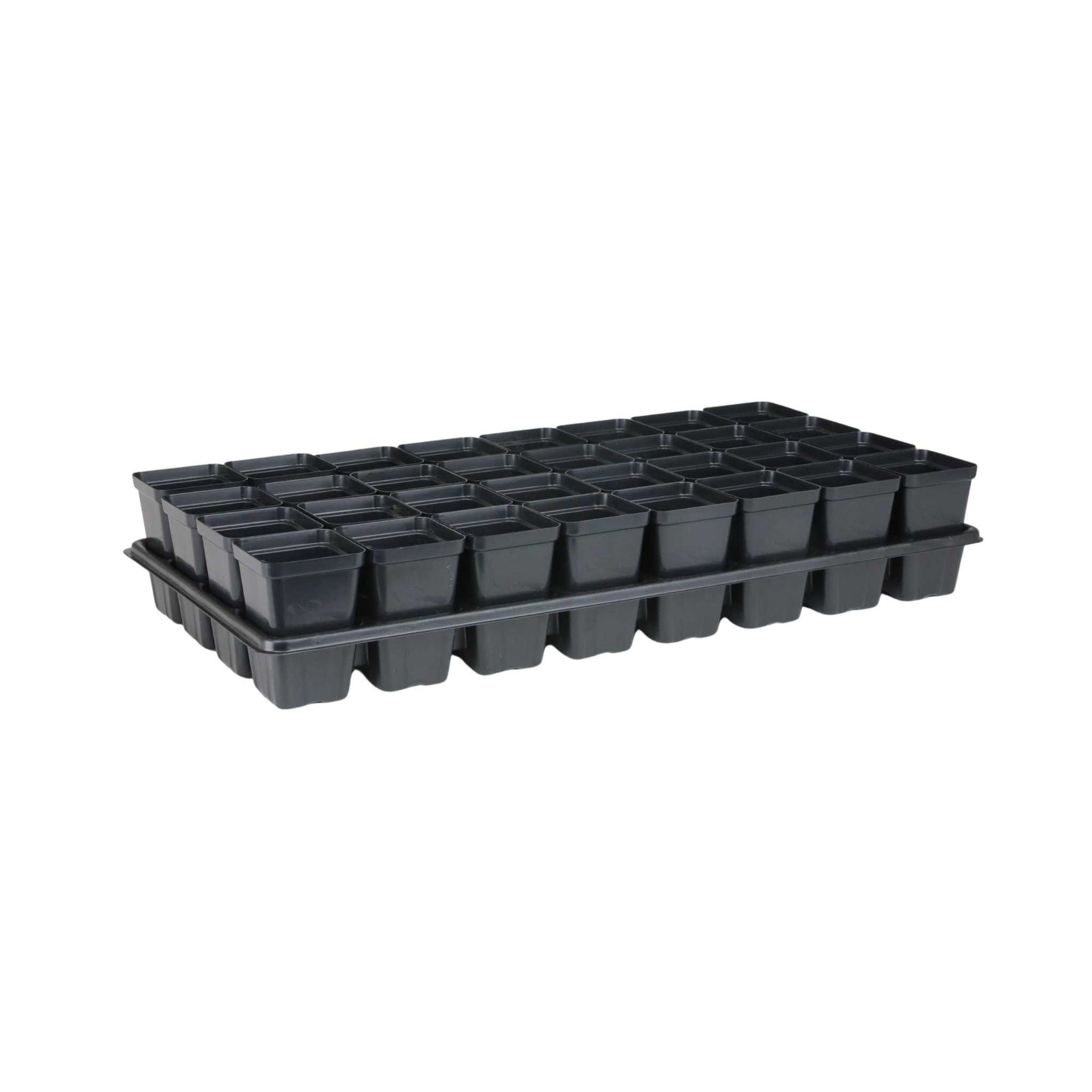


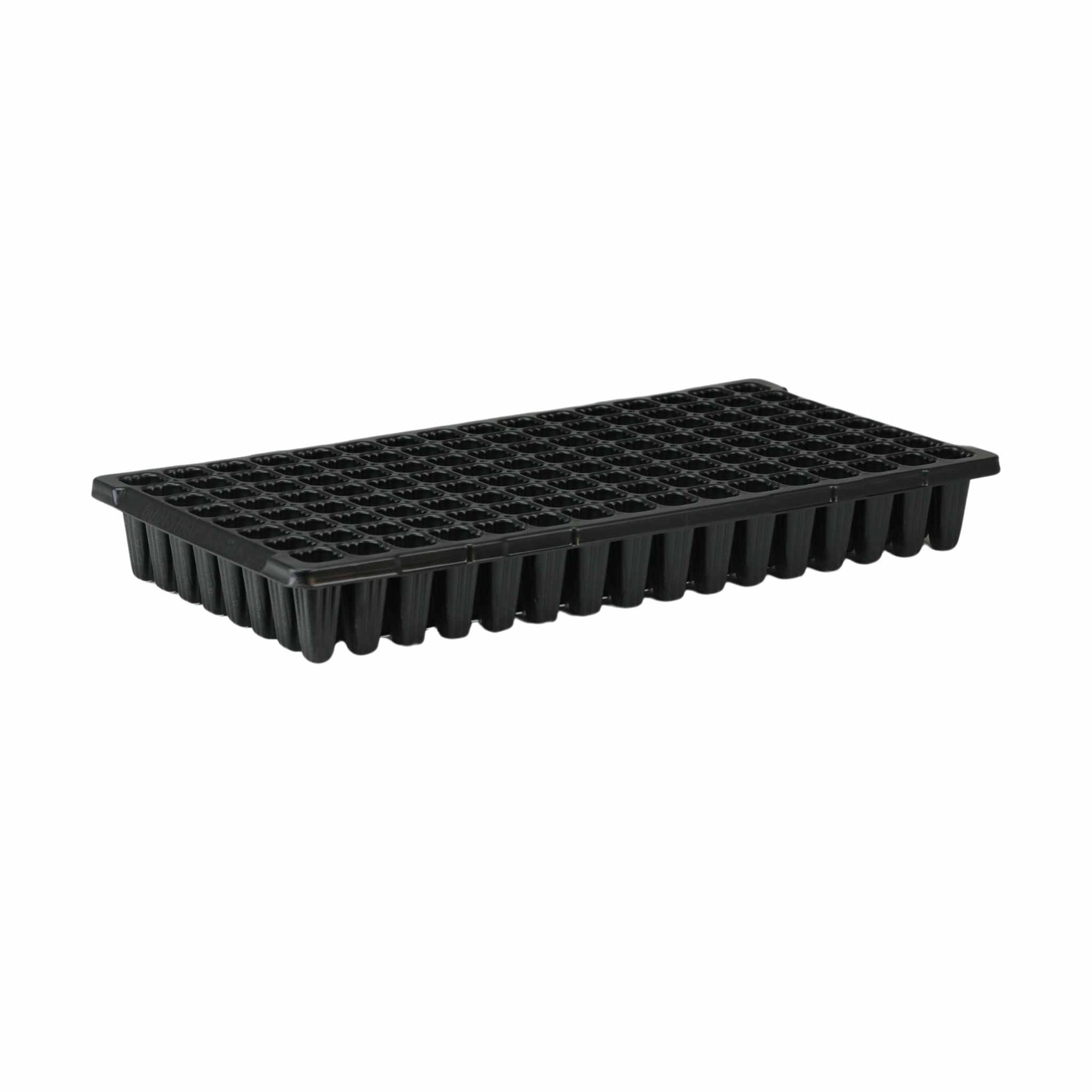

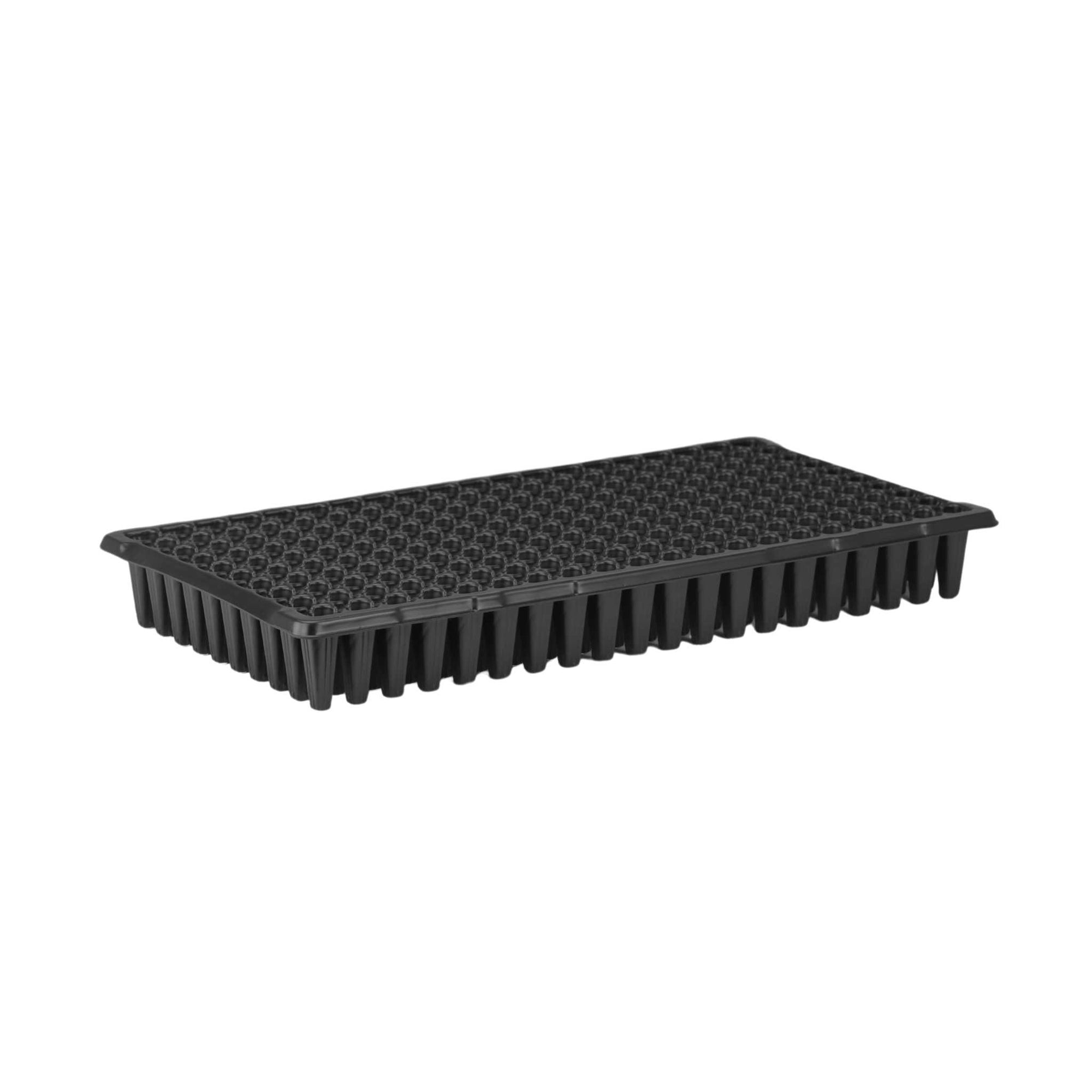


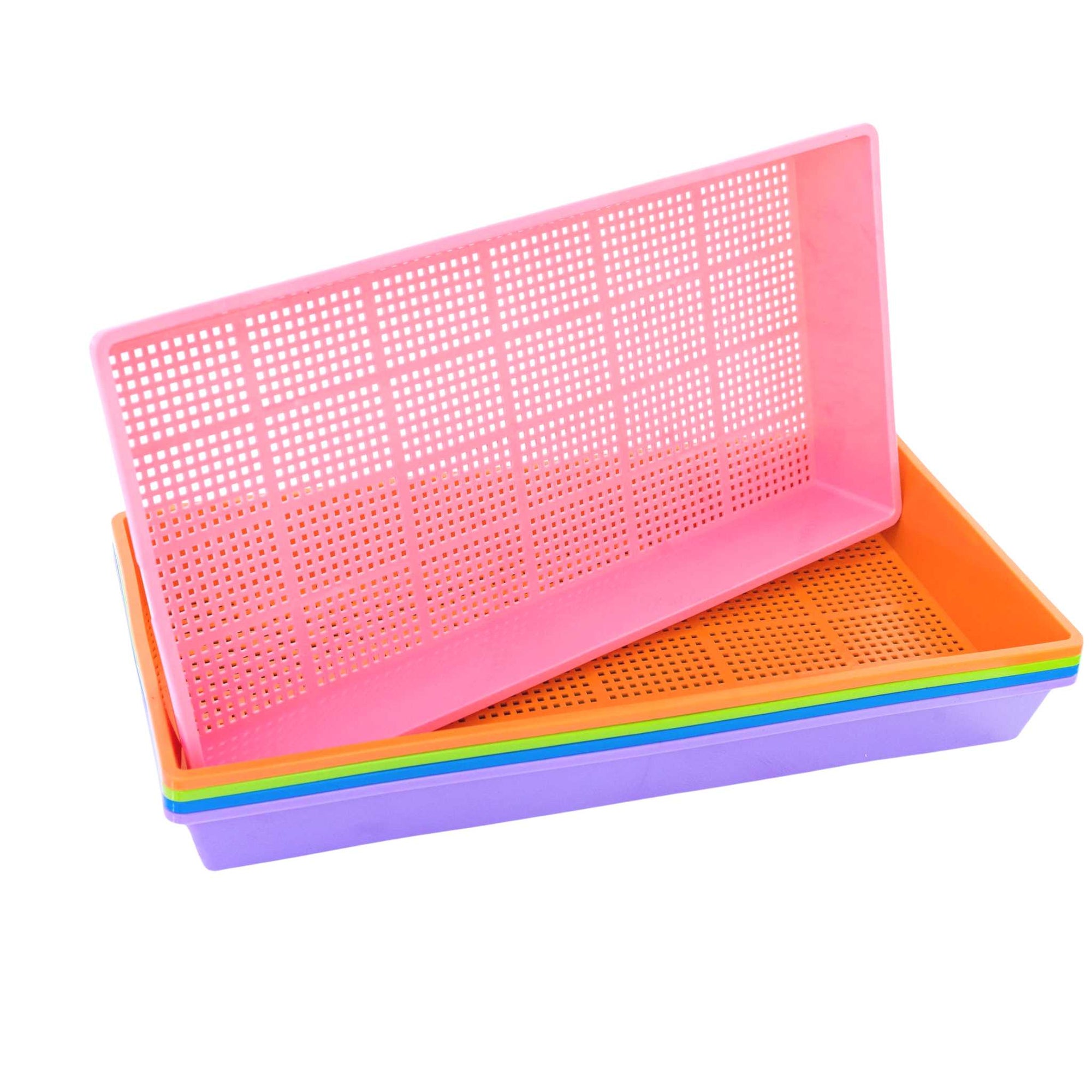


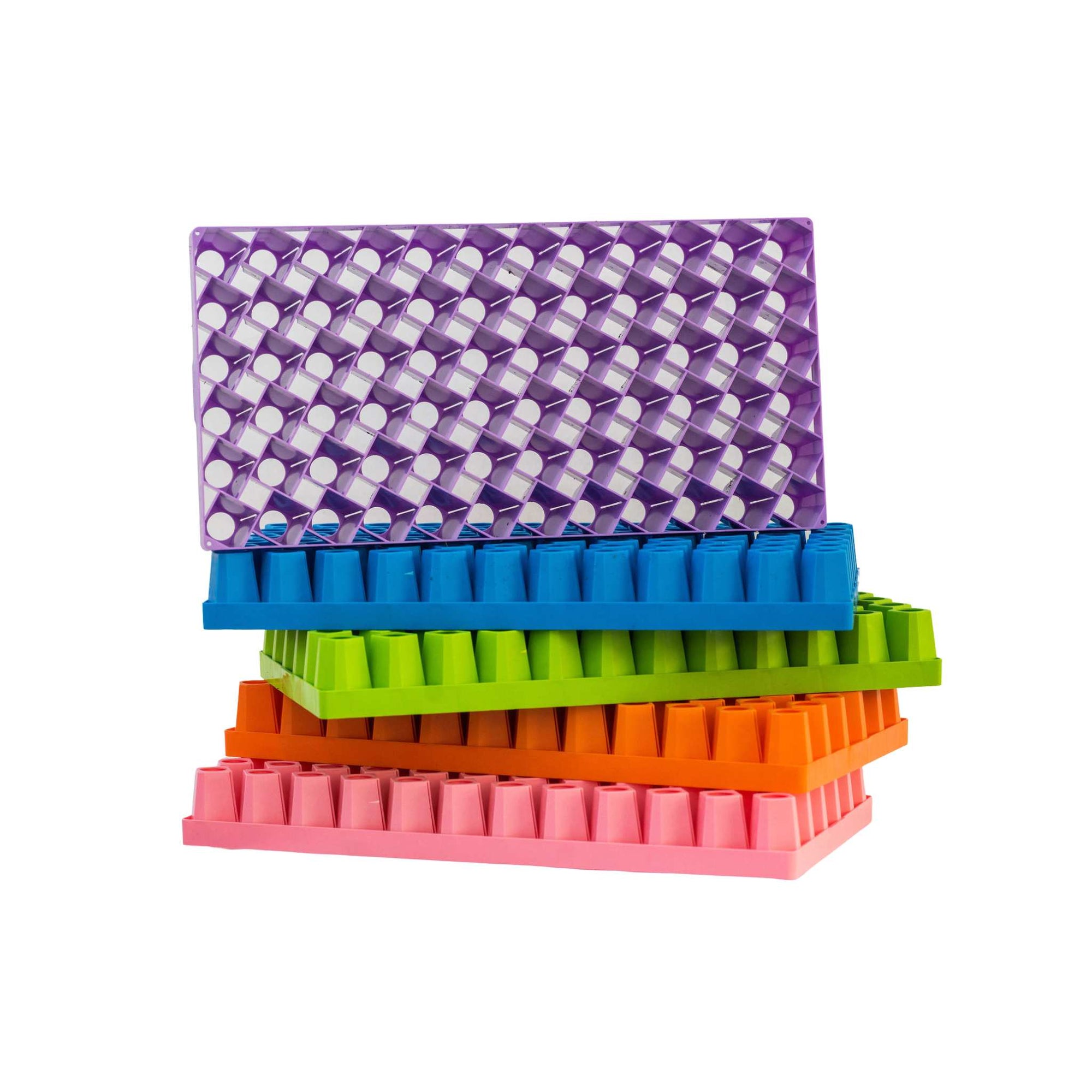

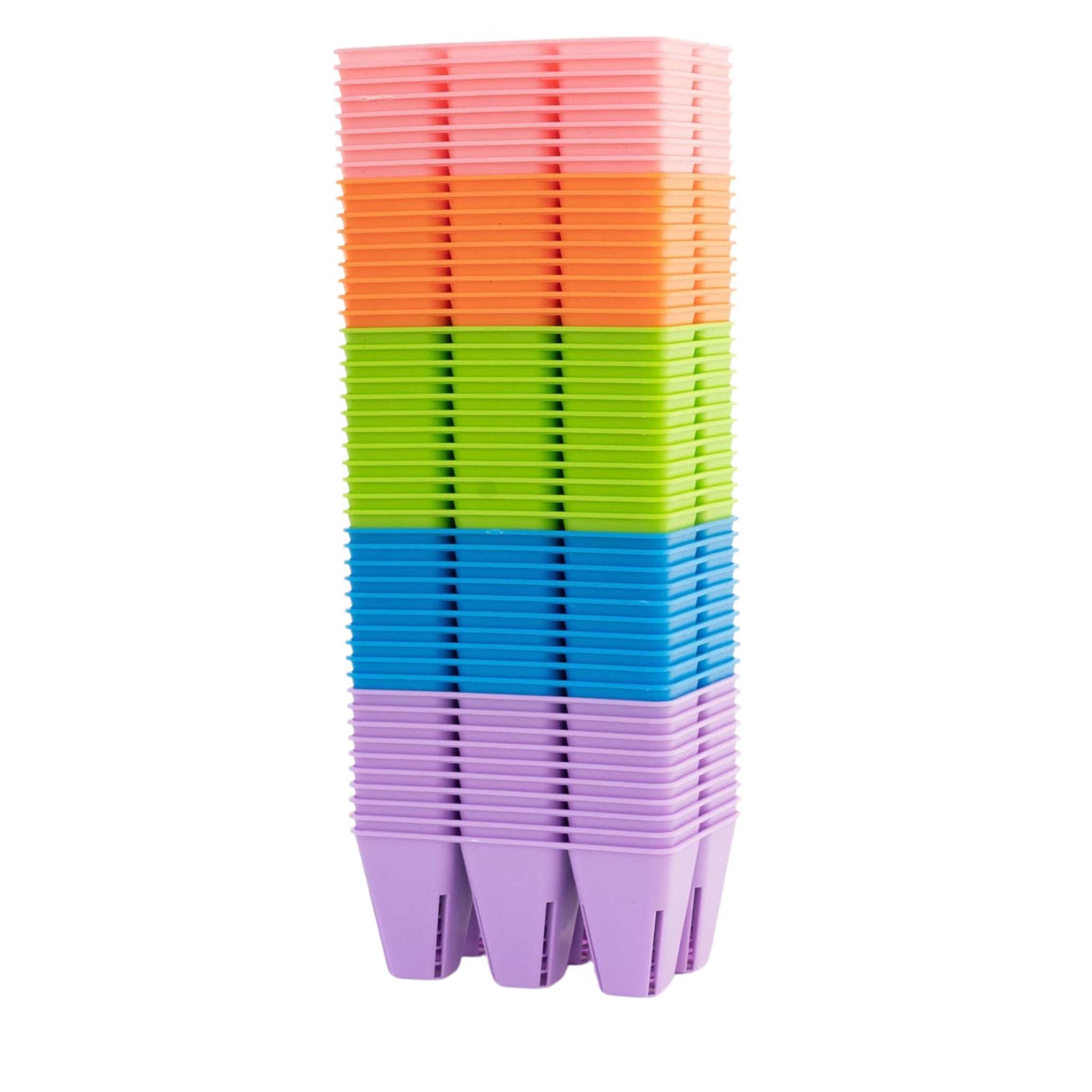

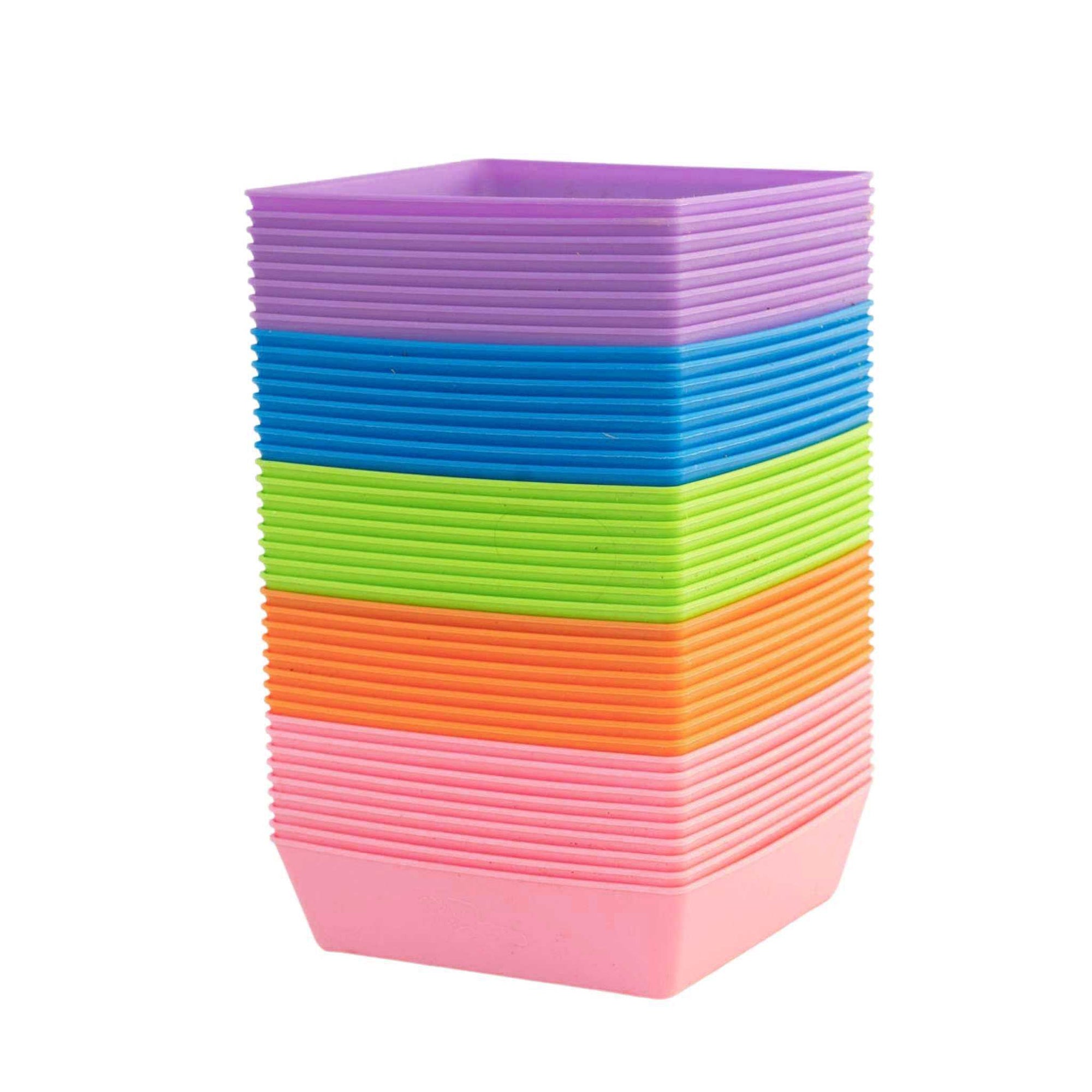


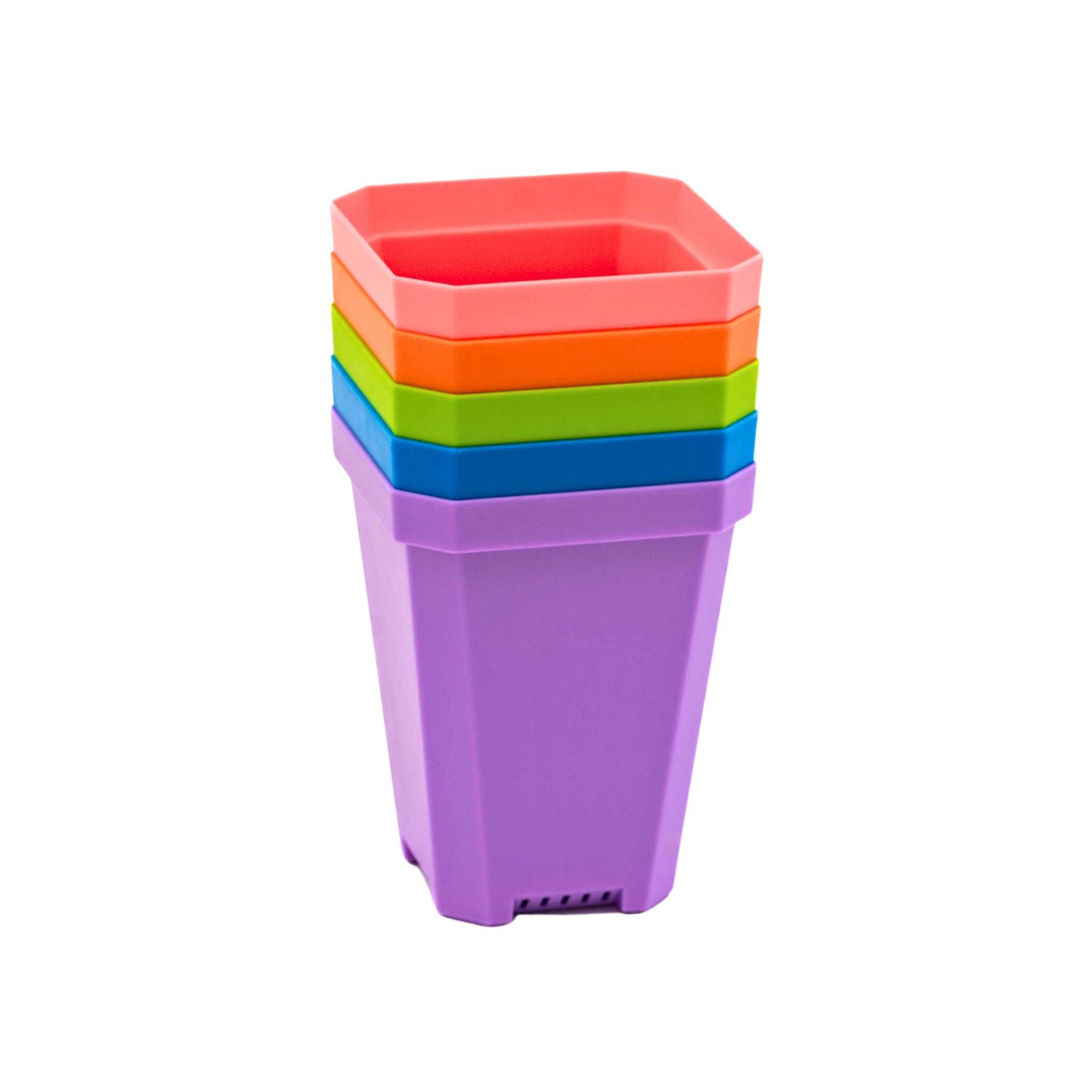

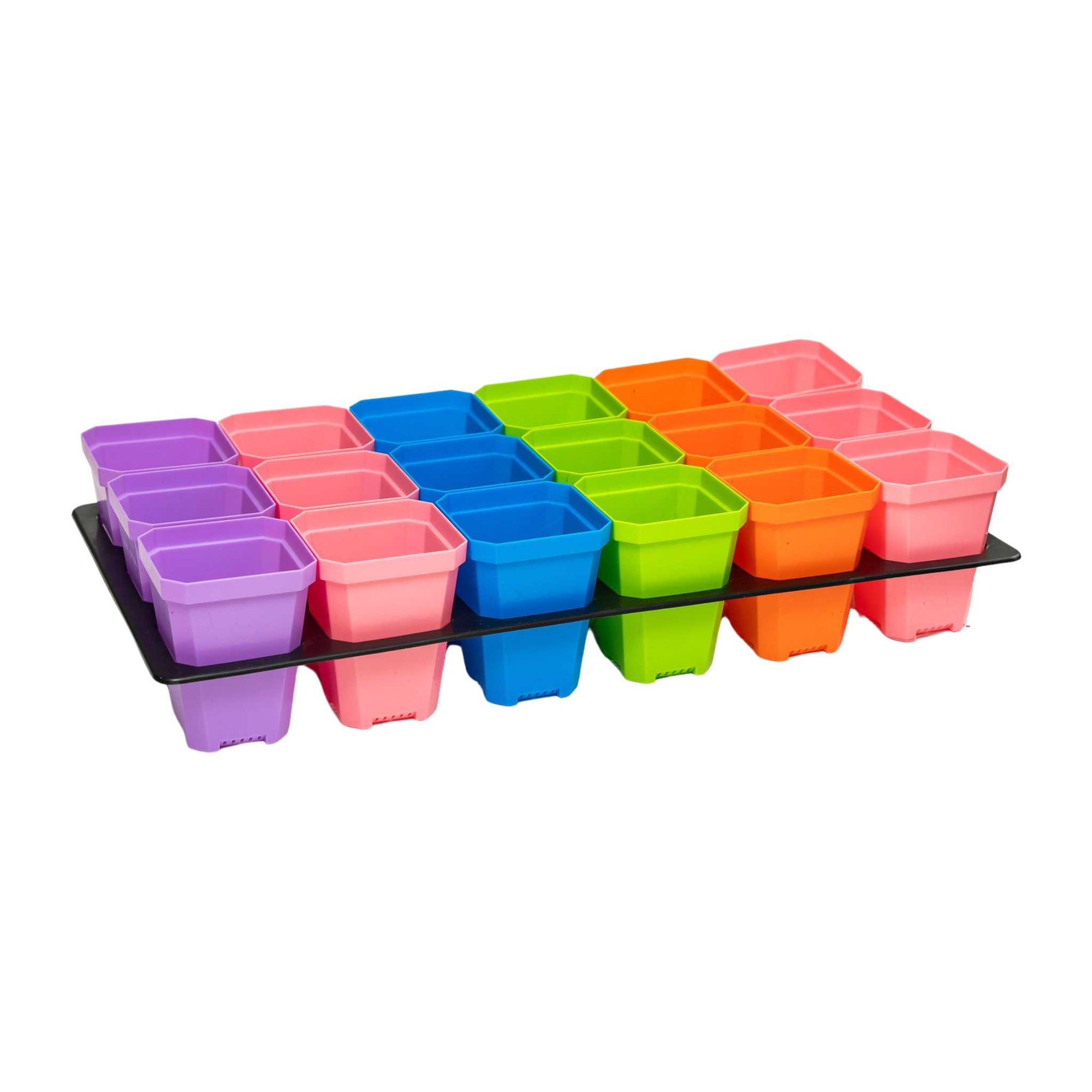


Choosing the right seed tray is the first step towards a successful harvest. Our seed trays are based on the standard 1020 footprint (roughly 10 by 20 inches). Whether you're growing microgreens, starting vegetables, or propagating clones, the right tray system makes all the difference. BPA free.
How to Choose the Right Seed Tray
The ideal tray depends on what you're growing and your cultivation method. Consider these key factors to match the tray to the plant.
Tray Type: Flats, Inserts, or Mesh?
The first choice is between an open flat, a tray with individual cells, or a mesh bottom. Each serves a different purpose.
- Open Flats (No Cells): These are open-bottomed trays perfect for broadcasting seeds densely, like for microgreens or wheatgrass. They are also the standard for holding soil blocks.
- Cell Trays & Inserts: These trays, also known as plug trays, have individual pockets for each seedling.
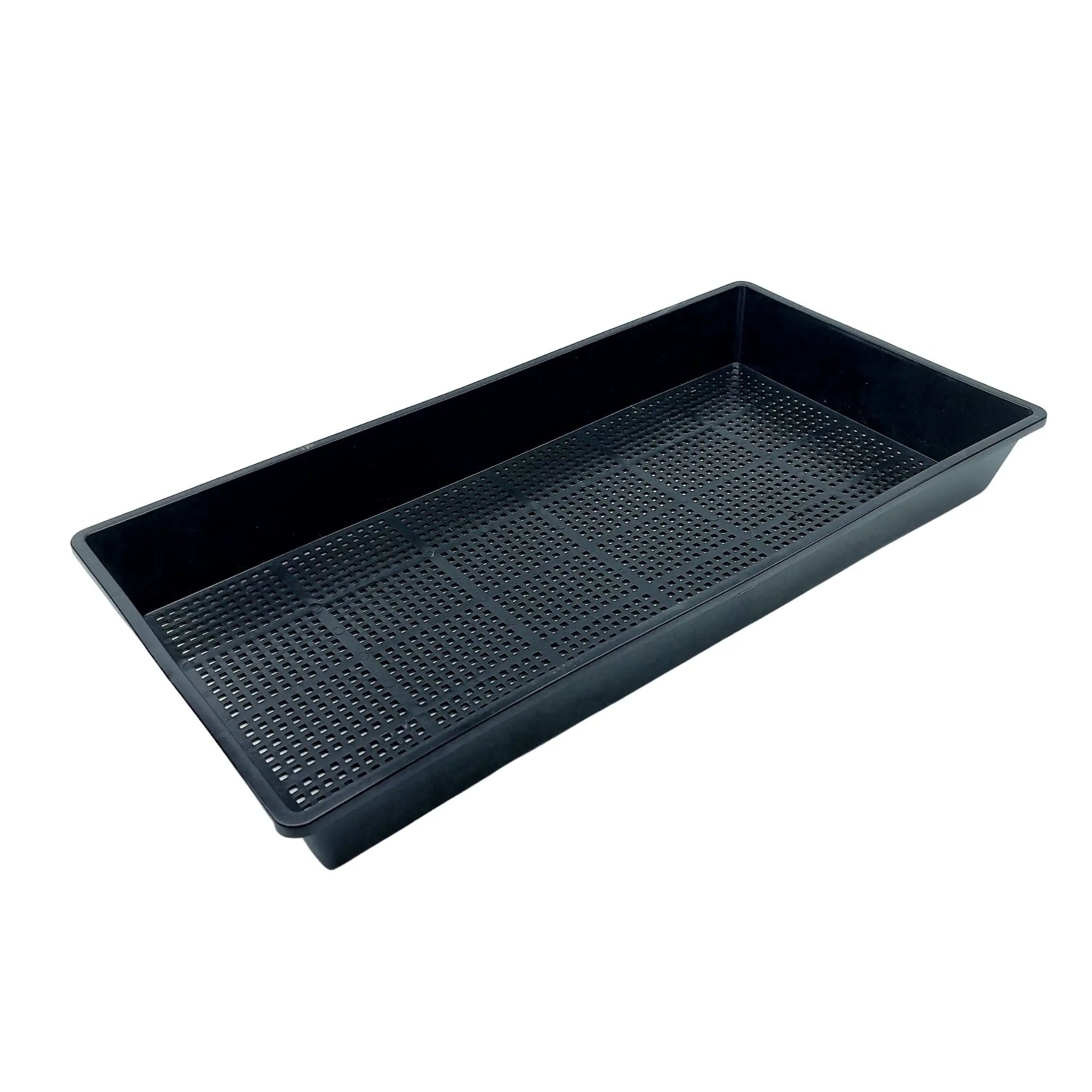
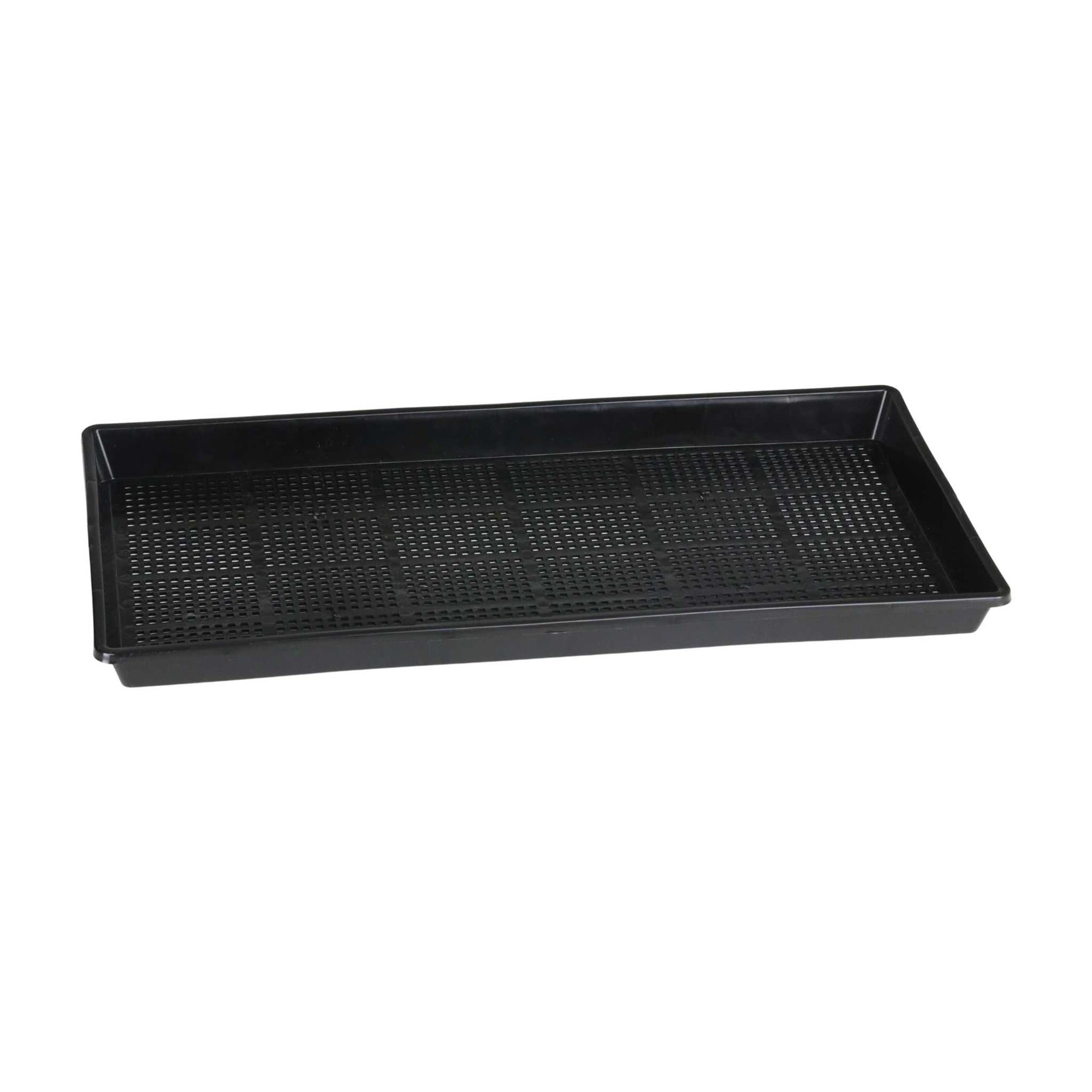
- Mesh Trays: The mesh bottom provides excellent drainage and airflow, which helps air-prune roots as they reach the bottom, encouraging a denser, more fibrous root ball. They are ideal for soil blocks and certain hydroponic applications.
Cell Size and Count: Matching the Plant
For cell trays, the size of the cell is critical. There's a simple trade-off: the more cells a tray has, the smaller each cell will be. For an in-depth guide, read our article on selecting the right seed starting cell trays.
- High-Count Trays (e.g., 72-cell): Smaller cells are best for quick-growing crops like lettuce, brassicas, and many flowers that will be transplanted relatively soon. A 72-cell tray offers high density for space-efficient starting.
- Low-Count Trays (e.g., 32-cell): Larger cells provide more soil volume, which is ideal for plants that need more time before transplanting or have larger root systems, such as tomatoes, peppers, and melons.
Depth: Shallow vs. Deep Trays
The depth of the tray affects both root development and harvesting.
- Shallow Trays (~1.25"): Primarily designed for microgreens. The lower profile provides easier access for cutting stems close to the soil level.
- Deep Trays (~2.5"): The standard for most seedlings. The extra depth provides more soil volume, which supports the development of larger root systems.
Drainage: The Two-Tray System
Most growers use a two-tray system for efficient bottom watering. A tray with drainage holes holds your growing media and plants. This tray is then nested inside a solid tray without holes, which acts as a water reservoir. This method encourages roots to grow downward towards the water source and helps prevent common issues like damping-off disease from over-watered surfaces.
Click here to learn about how to clean and care for trays.
Which option is right for you?
Shallow 1020 Tray
- Primary Use
- Microgreens, wheatgrass
- Tray Depth
- 1.25"
- Drainage Options
- With holes
- Starts per Tray
- Open flat
Deep 1020 Tray
- Primary Use
- Bottom watering reservoir, fodder
- Tray Depth
- 2.5"
- Drainage Options
- With or without holes
- Starts per Tray
- Open flat
Cell Trays
- Primary Use
- Starting most vegetables & flowers
- Tray Depth
- 2.25"
- Drainage Options
- With holes
- Starts per Tray
- 50, 72, 128, 200
32-Cell Insert System
- Primary Use
- Up-potting, larger seedlings and pot holder
- Tray Depth
- 2"
- Drainage Options
- Have holes
- Starts per Tray
- 32
Deep Mesh Tray
- Primary Use
- Soil blocks, air pruning
- Tray Depth
- 2.5"
- Drainage Options
- Mesh bottom
- Starts per Tray
- Open flat
Frequently Asked Questions
What size seed tray do I need for my plants?
The right size depends on your plant type and how long it will be in the tray. Use high-cell-count trays (like 72-cell) with smaller cells for fast-growing plants like lettuce and brassicas. Use low-cell-count trays (like 32-cell) with larger cells for plants that need more root space or time before transplanting, such as tomatoes, peppers, and squash.
What is a 1020 tray?
A 1020 tray is the standard size for horticultural propagation trays, with an approximate footprint of 10 inches by 20 inches. This standardization ensures that cell inserts, humidity domes, and bottom trays from different systems are compatible, making it a versatile foundation for any seed starting setup.
Should I get seed trays with or without drainage holes?
For most applications, you'll want both. A tray with drainage holes is used to hold the soil and seedlings, allowing excess water to escape. This tray is then placed inside a tray with no holes, which acts as a reservoir for bottom watering. This two-tray system promotes healthy root development and prevents overwatering.
What is the difference between shallow and deep seed trays?
Shallow trays are typically around 1.25 inches deep and are suited for crops like microgreens where the low sides allow for easier harvesting. Deep trays, usually about 2.5 inches deep, hold more soil and are used for starting seedlings that require more space for root growth before being transplanted.
How many times can I reuse a seed tray?
The lifespan of a seed tray depends on the material quality and how it's cared for. While thin, flimsy trays may only last a single season, heavy-duty trays made from robust plastic are designed for many years of use. To maximize their lifespan, clean them thoroughly between uses and store them out of direct sunlight to prevent plastic degradation.